
What is a Heat Pump?
A heat pump is an energy-efficient, low-carbon heating system that converts heat from a natural source (air, ground, or water) into energy for your home. Instead of generating heat by burning fuel, heat pumps convert natural energy into heat using electricity.
Because of the way they work, heat pumps can deliver 3kWh – 5kWh units of heat for every kWh of electricity used, making them far more efficient than traditional gas or oil boilers that can only deliver a ratio of 1kWh to 1kWh as a maximum.
What are the main Types of Heat Pumps?
There are three main types of heat pumps:
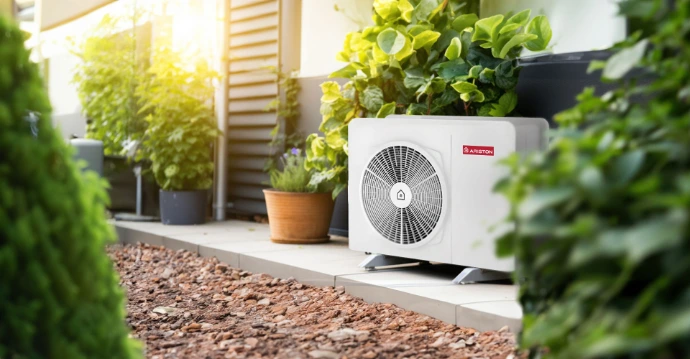
Air Source Heat Pumps (ASHP)
Extracts heat from the outside air
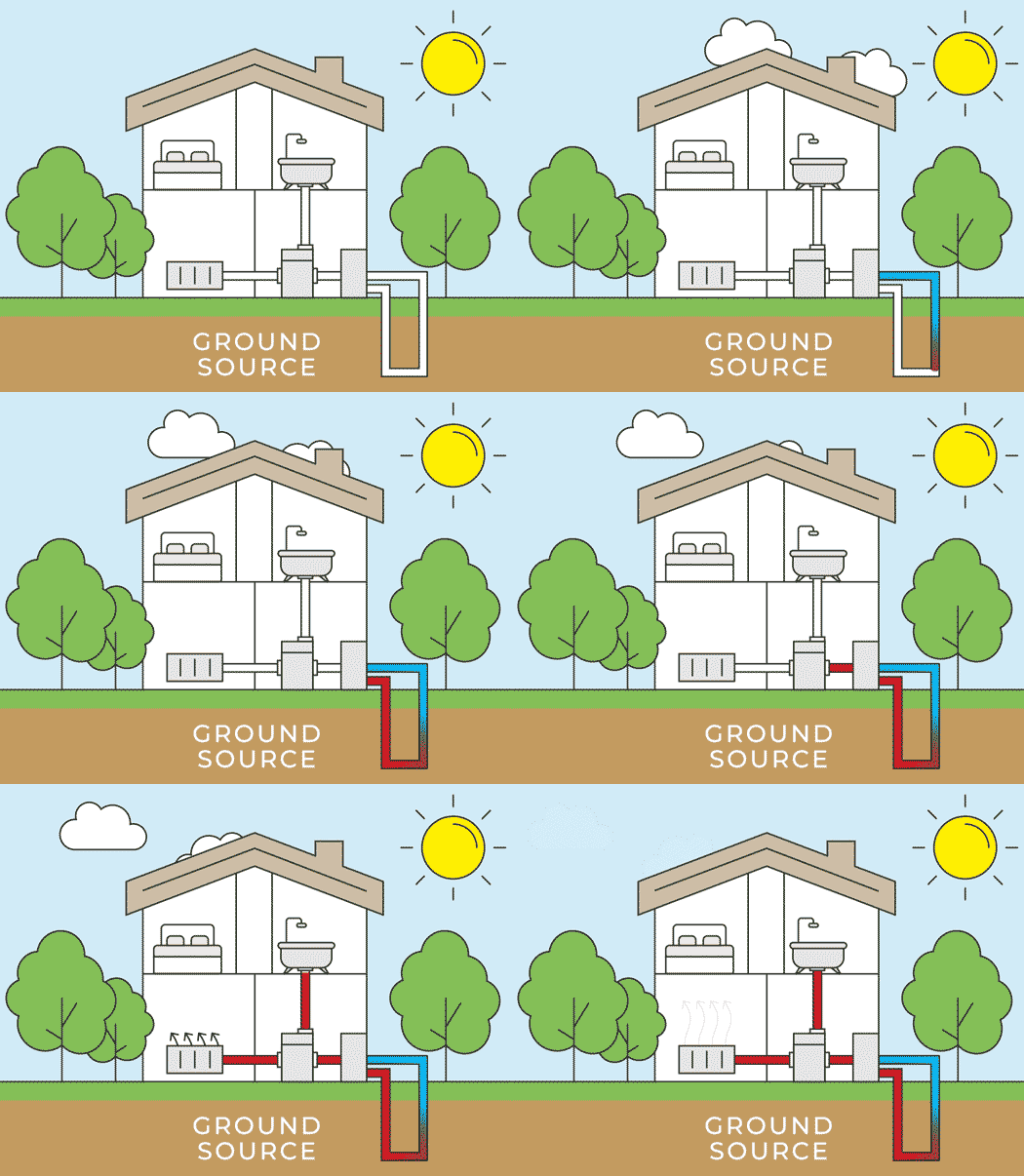
Ground Source Heat Pumps (GSHP)
Takes heat from the ground

Water Source Heat Pumps (WSHP)
Collects heat from a lake, river, or groundwater supply.
What is an Air Source Heat Pump?
An air source heat pump extracts heat from the outside air to provide home heating and hot water. Even in cold temperatures, outdoor air contains usable energy.
There are two common types:
Air-to-water heat pumps
Provide heating and hot water
Work with radiators, underfloor heating, and cylinders
Most common type of heat pump in UK
Air-to-air heat pumps
Provide warm air via fans
Typically do not supply hot water
What Our Customers Say About Their Air Source Heat Pumps
Real experiences from homeowners who made the switch
⭐⭐⭐⭐⭐
"We were sceptical about switching from gas, but Thermal Earth made it so easy. The installation took just 2 days, and our heating bills have dropped from £130/month to just £55. The house is warmer than ever, and it's so quiet we barely notice it's there."
SMSarah MitchellCardiff3-bed semi-detachedSavings: £900/year
⭐⭐⭐⭐⭐
"The £7,500 grant made this a no-brainer. After the grant, we paid £3,200 for a complete system that will save us over £600 every year. It's already paid for itself in 5 years, and it'll last 20+ years. Best home improvement we've ever made."
JPJames PattersonBristol4-bed detachedSavings: £650/year
⭐⭐⭐⭐⭐
"Thermal Earth designed the system perfectly for our Victorian terrace. They explained everything clearly, handled the grant paperwork, and the installation was completely hassle-free. We love that we're now heating our home with renewable energy."
E&DEmma & David ChenLondon3-bed Victorian terraceSavings: £550/year
What is a Ground Source Heat Pump?
A ground source heat pump takes heat from the ground using buried pipes known as ground loops. The ground maintains a stable temperature throughout the year, which helps deliver consistent efficiency.
Types of ground loops:
🕳️
Boreholes (Vertical)
Drilled 50-200m deep. Ideal for properties with limited garden space. Our in-house drilling team ensures quality.
Best for: Limited Space
〰️
Horizontal Loops
Buried 1-2m deep in trenches. Requires larger garden area and can be lower installation cost than boreholes but slightly less efficient.
Best for: Large gardens
Each type is defined by where it collects heat from.
What is a Water Source Heat Pump?
A water source heat pump collects heat from a lake, river, or groundwater supply. Water transfers heat very effectively, which can make these systems highly efficient.
Types of ground loops:
🔄
Pond Mat
(Slinky Coils)
Coiled pipe assemblies are fabricated and submerged. Compact design ideal for smaller water sources where space is limited.
Best for: Smaller ponds
🌊
Open Loop System
Water is pumped from the source, passes through the heat pump, then returned downstream. Higher efficiency but requires water quality management.
Best for: Good water supply
🏞️
Lake Collector (Closed)
Pipe assembly are submerged at the bottom of lakes or large ponds. Constructed on land then floated out and submerged with weights.
Best for: Lakes & large ponds
Which Type of Heat Pump is Most Efficient?
Ground source and water source heat pumps often achieve the highest efficiencies because their heat sources are stable in temperature. However, modern air source heat pumps are also highly efficient when properly installed.
Efficiency depends on:
System design and sizing
Professional installation
Correct user settings
Correct choice of heat pump
Which Heat -Pump is Best for My Home?
The best heat pump depends on:
Available outdoor space
Budget and installation costs
Access to land or water
Speak to a member of our team who will work with you to identify the best option for your home.
Summary
Heat pumps are one of the most efficient and environmentally friendly ways to heat a home. Whether air source, ground source, or water source, the right system can deliver long-term comfort, lower emissions, and reduced running costs.